














Mountlaser carbon fiber performance is the subject of this comparison because professional surveyors and B2B distributors need more than a carbon fiber label when selecting a GNSS prism pole. The provided video shows a comparative pressure-test process involving multiple rod samples, a test fixture, and a later result display. The purpose is not to claim an unverified numerical rating, but to show why the construction and manufacturing controls behind a carbon fiber product deserve the same attention as its quoted unit price.
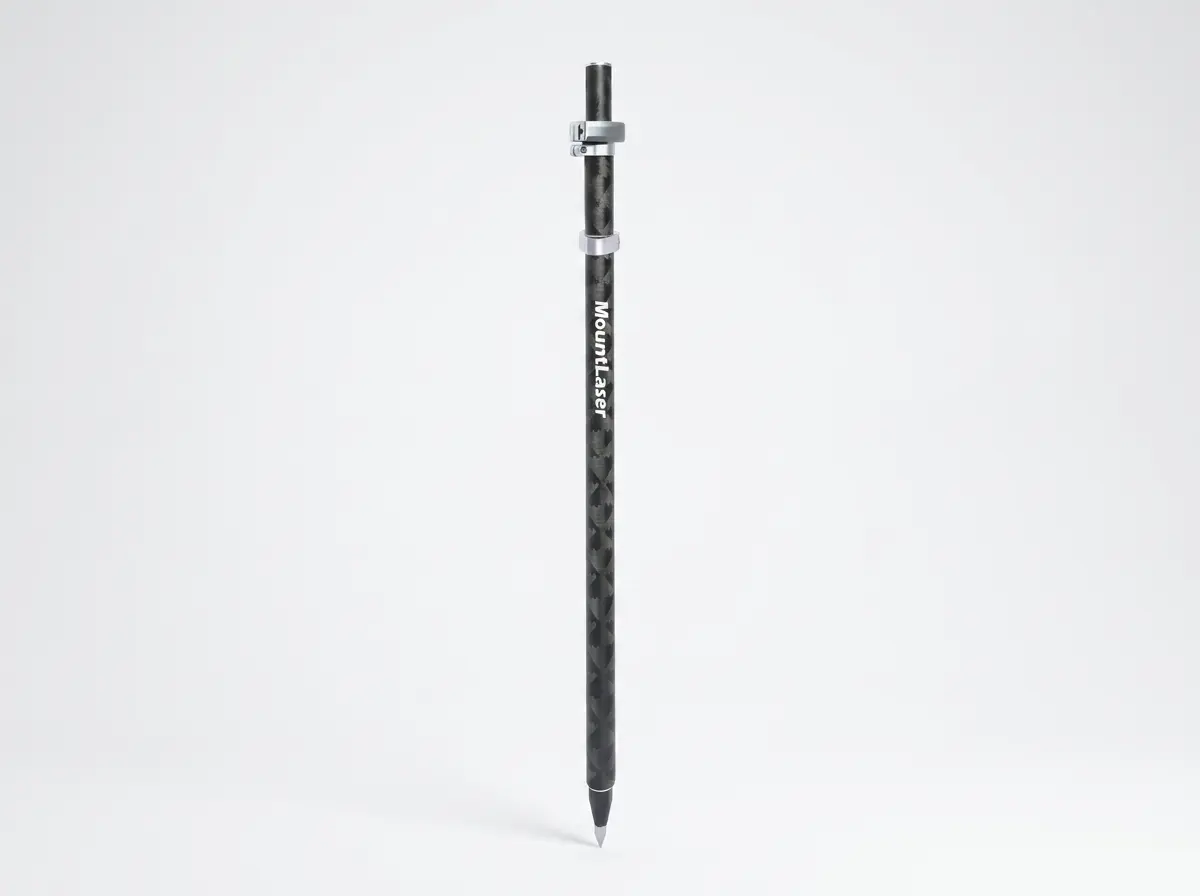
100% carbon fiber prism pole with dual graduations, adjustable or fixed tip options, 2 sections, and a listed weight of 0.56 kg.
View Series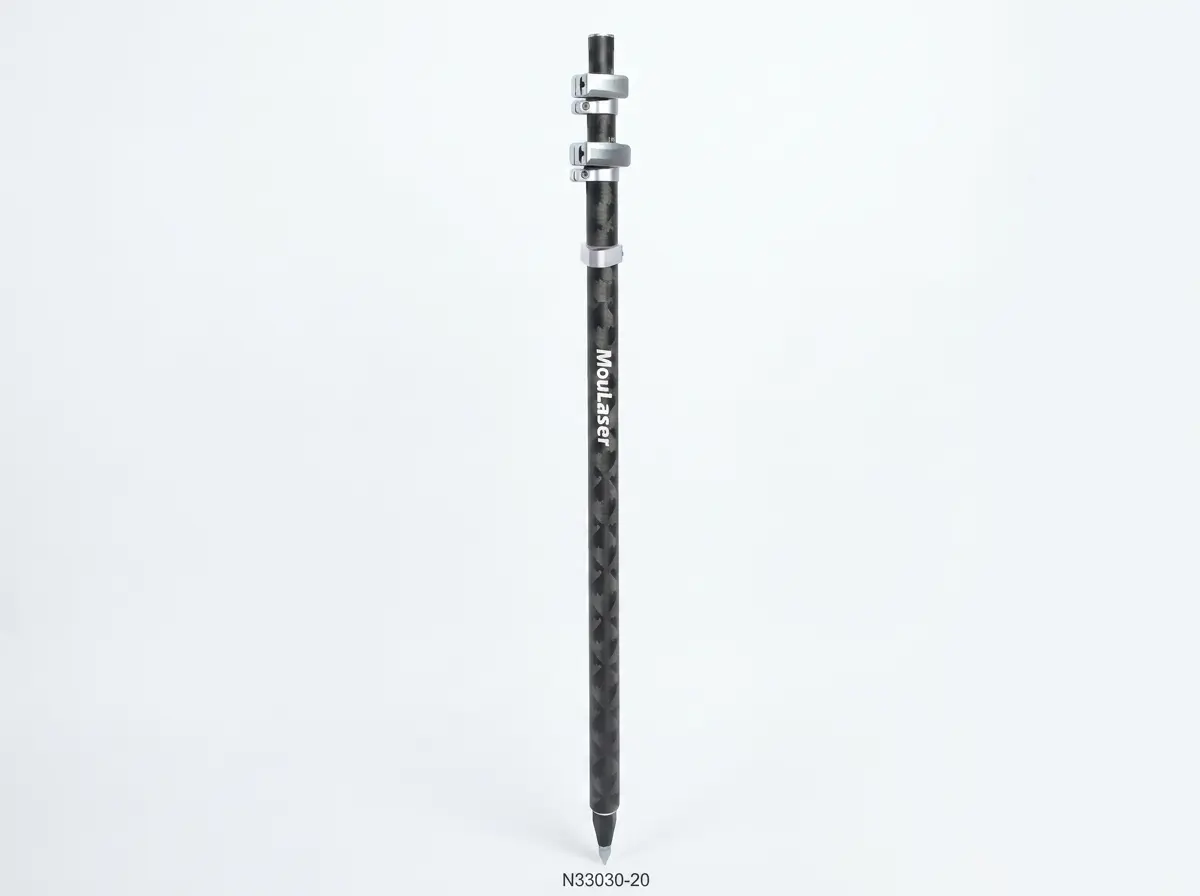
100% carbon fiber prism pole with dual graduations, adjustable or fixed tip options, 3 sections, and a listed weight of 0.80 kg.
View Series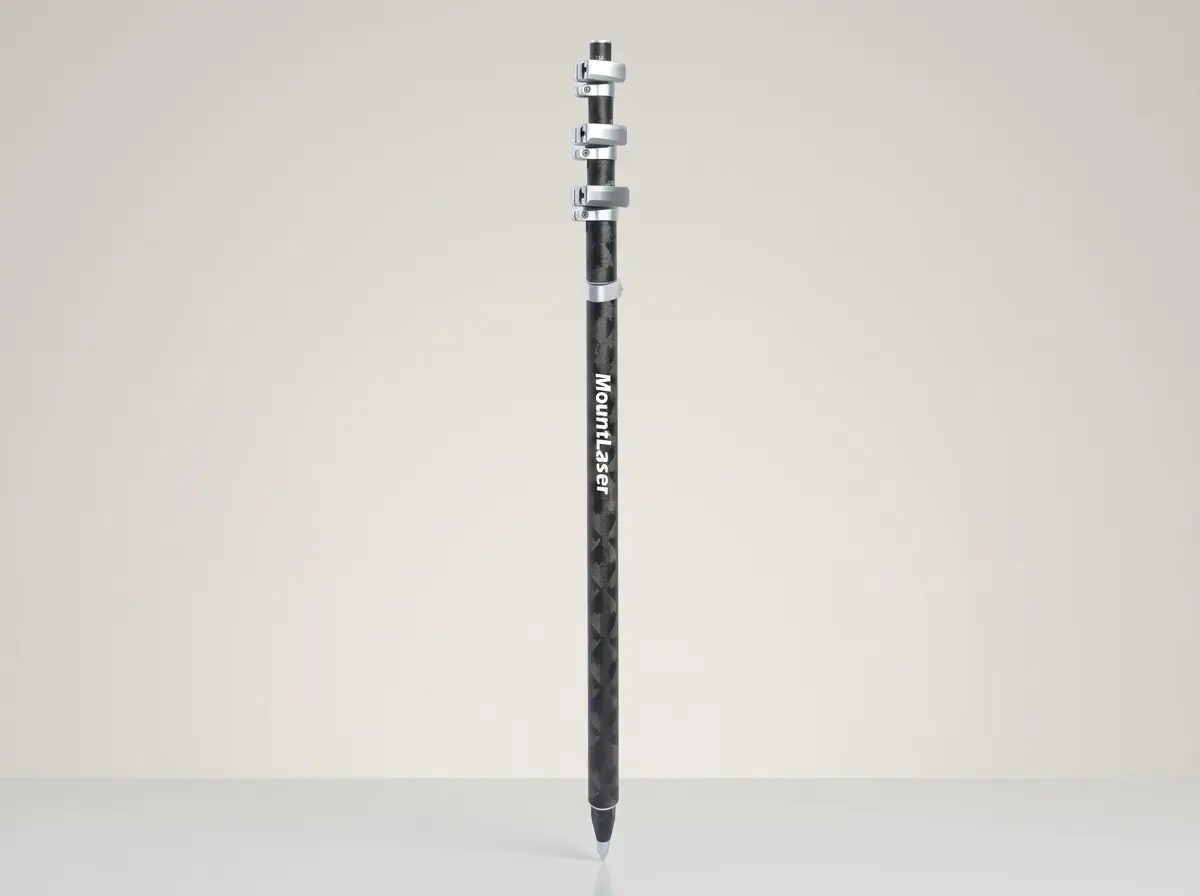
100% carbon fiber prism pole with dual graduations, adjustable or fixed tip options, 4 sections, and a listed weight of 1.08 kg.
View SeriesMountlaser carbon fiber performance in a visual pressure comparison
The video is presented at accelerated playback and carries the on-screen message “Carbon Fiber Performance Test: See the Difference.” The samples are marked “Other” and “Mountlaser,” allowing the viewer to distinguish the two product groups during the test. The footage shows rods positioned in a controlled-looking compression setup, followed by close-up views of the samples and a computer display. These visual stages support a qualitative comparison of behavior under the demonstrated test conditions.
Because the supplied footage does not provide a legible test standard, calibrated load value, sample specification, or complete laboratory report, those details should not be treated as certified technical parameters. The responsible B2B conclusion is narrower and more useful: when a supplier presents a lower-priced carbon fiber pole, the buyer should ask how the material, lay-up, bonding, dimensions, surface finish, and inspection process are controlled—and whether the supplier can provide comparable evidence.
A carbon fiber product can be cheaper for many commercial reasons, but the purchase decision should distinguish price difference from performance difference. A like-for-like comparison needs the same application, comparable sample geometry, a defined test method, and traceable quality records.
Why carbon fiber pole price is not the complete specification
Carbon fiber is not a single uniform material category. The final performance of a pole depends on the complete product system: the selected reinforcement and resin system, fiber orientation, consolidation quality, tube geometry, connection design, end fittings, printed or laser-marked graduations, and inspection criteria. Two products can both be marketed as carbon fiber while offering different levels of rigidity, dimensional stability, finish quality, and repeatability.
For a GNSS prism pole, these differences matter because the pole is part of the measurement setup. A product that is easier to control, more consistent from batch to batch, and better protected at its interfaces can reduce uncertainty in handling and improve confidence in field use. These are purchasing considerations—not claims that can be reduced to a low price or a material name alone.
What the supplied video can and cannot establish
- It can establish: a visible side-by-side performance demonstration, identifiable sample groups, a pressure-test sequence, and a subsequent result-display sequence.
- It cannot establish from the visible footage alone: exact force, displacement, failure load, material grade, fiber volume fraction, test standard, repeat count, or a certified pass/fail threshold.
- It supports for procurement: requesting transparent test evidence and comparing the supplier’s process controls rather than comparing product labels or prices in isolation.
Material and purchasing comparison based on the confirmed evidence
| Comparison point | What is confirmed or responsibly observable | B2B purchasing implication |
|---|---|---|
| Product identity | The video identifies comparison groups as “Other” and “Mountlaser.” | Ask the supplier to identify the exact product configuration and sample used for any quotation or test claim. |
| Test activity | The footage shows rod samples in a pressure-test setup and later displays test-related results. | Request the test method, loading direction, equipment details, and recorded results before making a like-for-like conclusion. |
| Visible numerical data | No legible force, displacement, certification number, or laboratory standard is confirmed from the supplied video. | Do not convert the video into an invented technical rating; use documented data for engineering approval. |
| Price comparison | The video supports a performance-focused comparison, but it does not show purchase prices, order quantities, or sales data. | Evaluate total value through consistency, inspection, application fit, and supplier support—not unit price alone. |
| Manufacturing relevance | Material behavior is presented as a product-level result, not as proof that every carbon fiber product has identical behavior. | Review process control, incoming material control, assembly, marking, and final inspection with the supplier. |
How distributors can compare lower-priced carbon fiber products
For distributors, importers, and surveying equipment companies, a repeatable supplier review is more valuable than a single visual demonstration. Start with a written product specification that defines the intended GNSS prism pole configuration and application. Then ask competing suppliers to describe the same points in the same format. This prevents a low quotation from appearing equivalent when the included construction, accessories, inspection, or documentation is different.
- Match the application: compare products intended for the same surveying workflow and field conditions.
- Match the sample: confirm that the tested pole, quoted pole, and production pole share the same construction and configuration.
- Define the test: request the loading direction, fixture, measurement method, sample conditioning, and repeat procedure.
- Review consistency: ask how dimensions, connections, graduations, surface quality, and assembly are checked during production.
- Assess supplier capability: consider whether the supplier can support customization, quality communication, repeat orders, and corrective action.
This approach also explains why a reputable manufacturer may not be the lowest-price option. A factory-direct quotation can reflect controlled processing, inspection resources, documented quality work, and the ability to maintain the same construction over repeat production. Those factors should be evaluated against the buyer’s risk, not dismissed as an unexplained markup.
From carbon fiber material claims to dependable field equipment
Mountlaser carbon fiber performance should therefore be understood as a product-and-process question. The video gives buyers a clear discussion point: different carbon fiber pole products can be placed into a comparable pressure-test conversation, while the supporting data must still be defined before a formal engineering or procurement decision is made. The strongest supplier is the one that can connect visible product behavior with controlled manufacturing, inspection, and responsive B2B communication.
For teams comparing a lower-priced carbon fiber pole with a Mountlaser option, the practical next step is to share the intended application and request a matched configuration review. Mountlaser carbon fiber performance is most meaningful when it is evaluated together with the actual pole design, the production process, and the quality requirements of the project.
Mountlaser Global Manufacturing Excellence
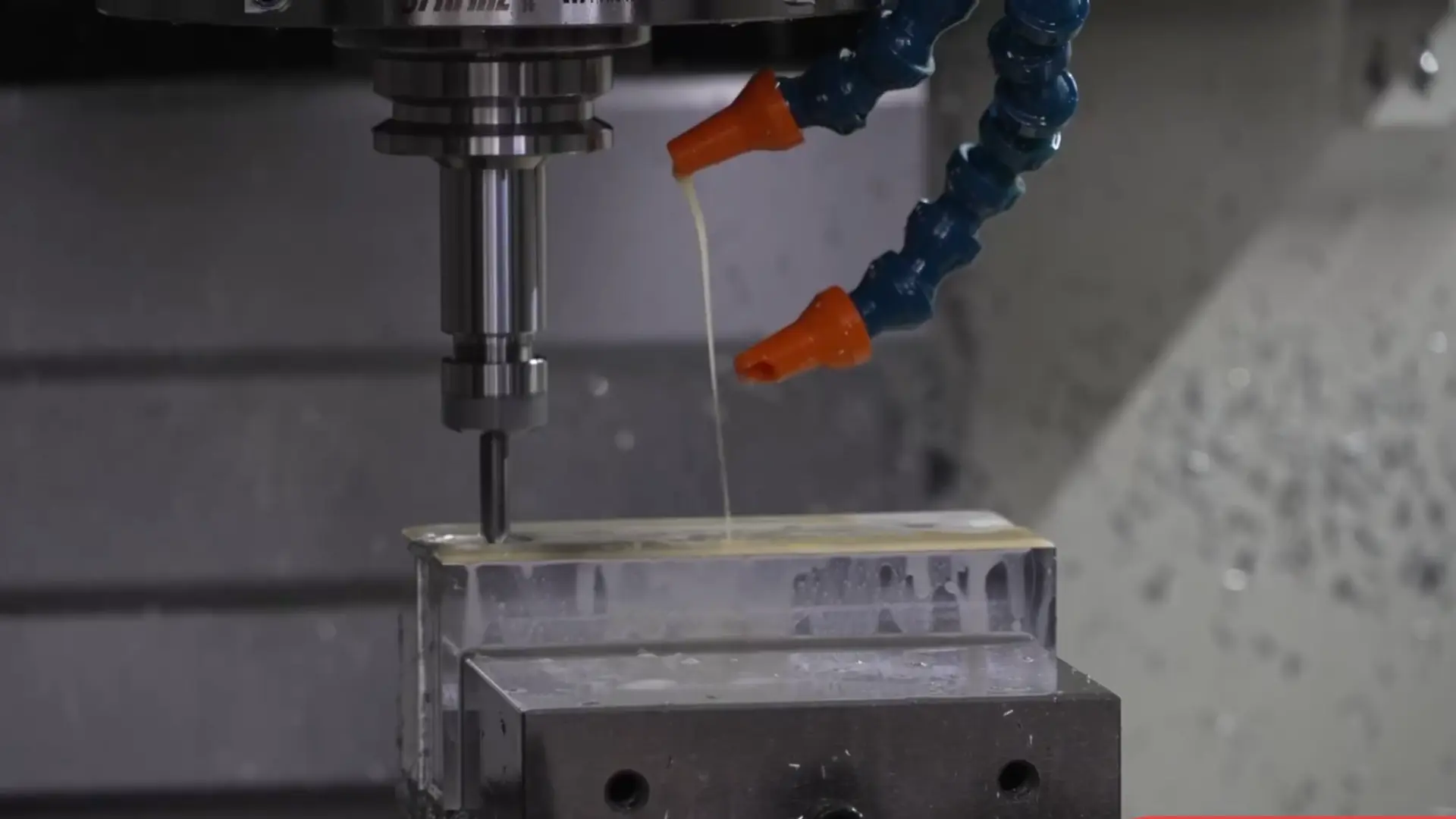
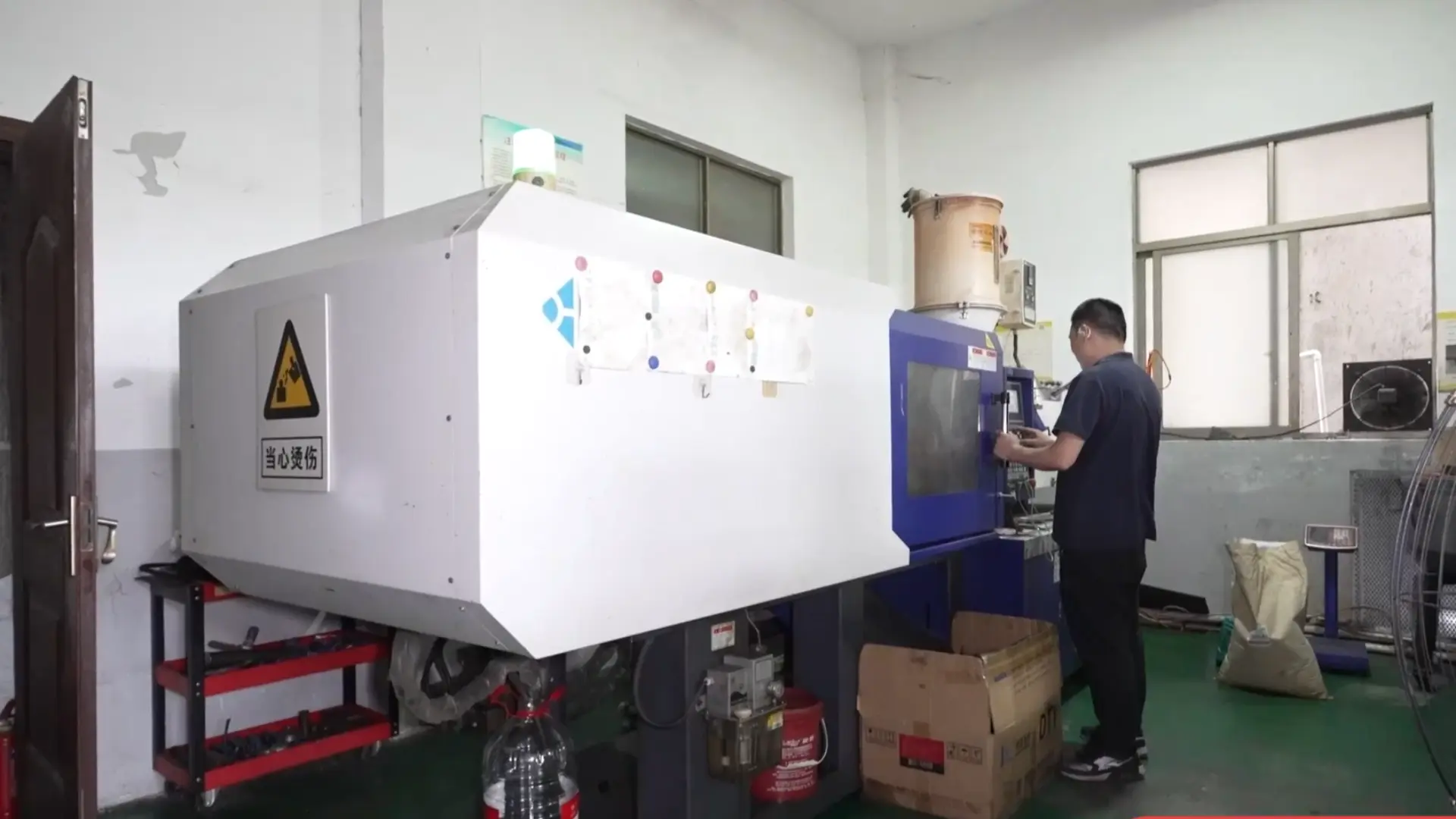
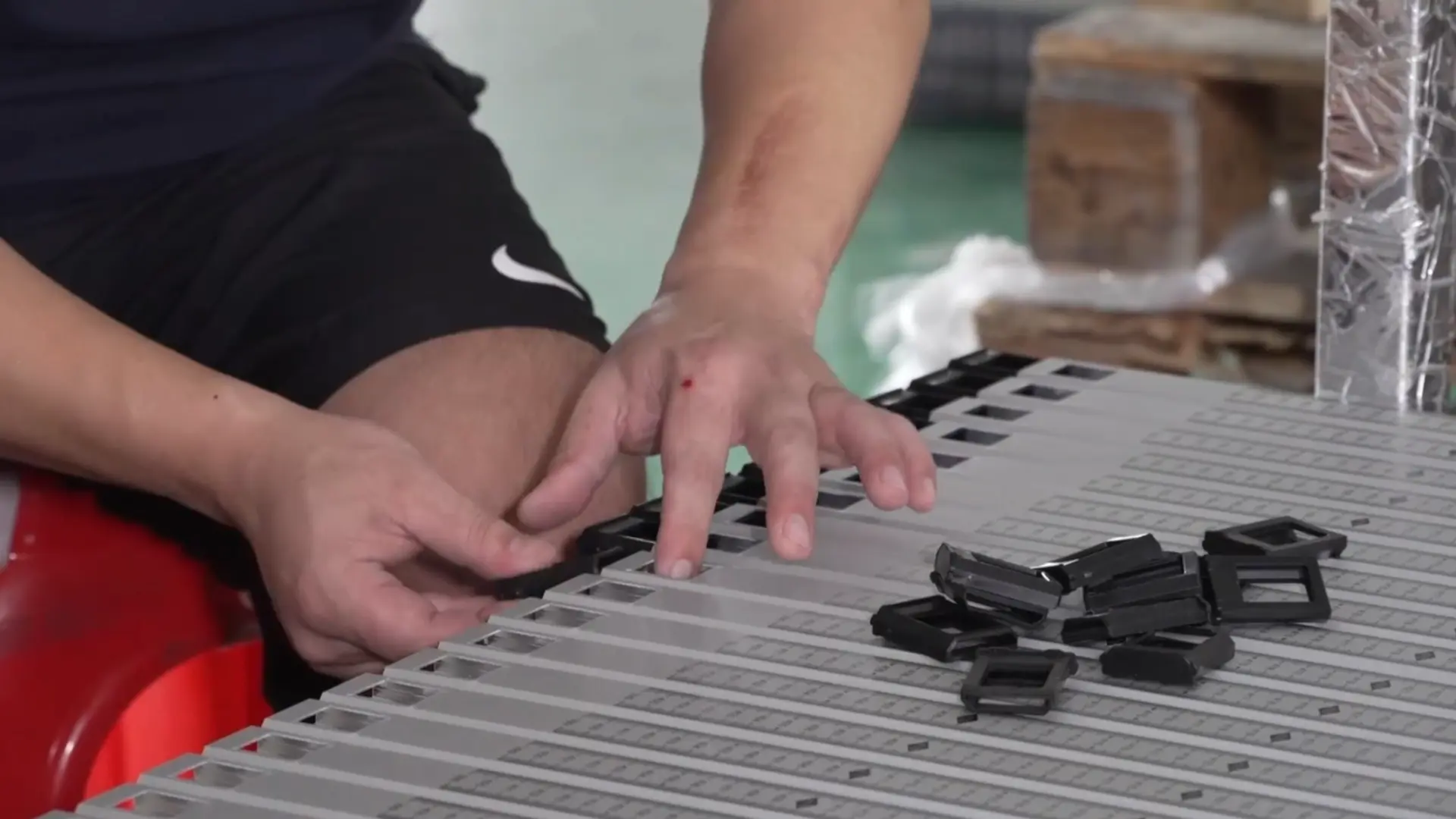
Mountlaser (Mount Laser Changzhou Instrument Co., Ltd.) is supported by robust in-house manufacturing capabilities in Changzhou, China. From raw material to finished optical accessory, every component moves through a controlled process designed for repeatable accuracy and dependable field performance.
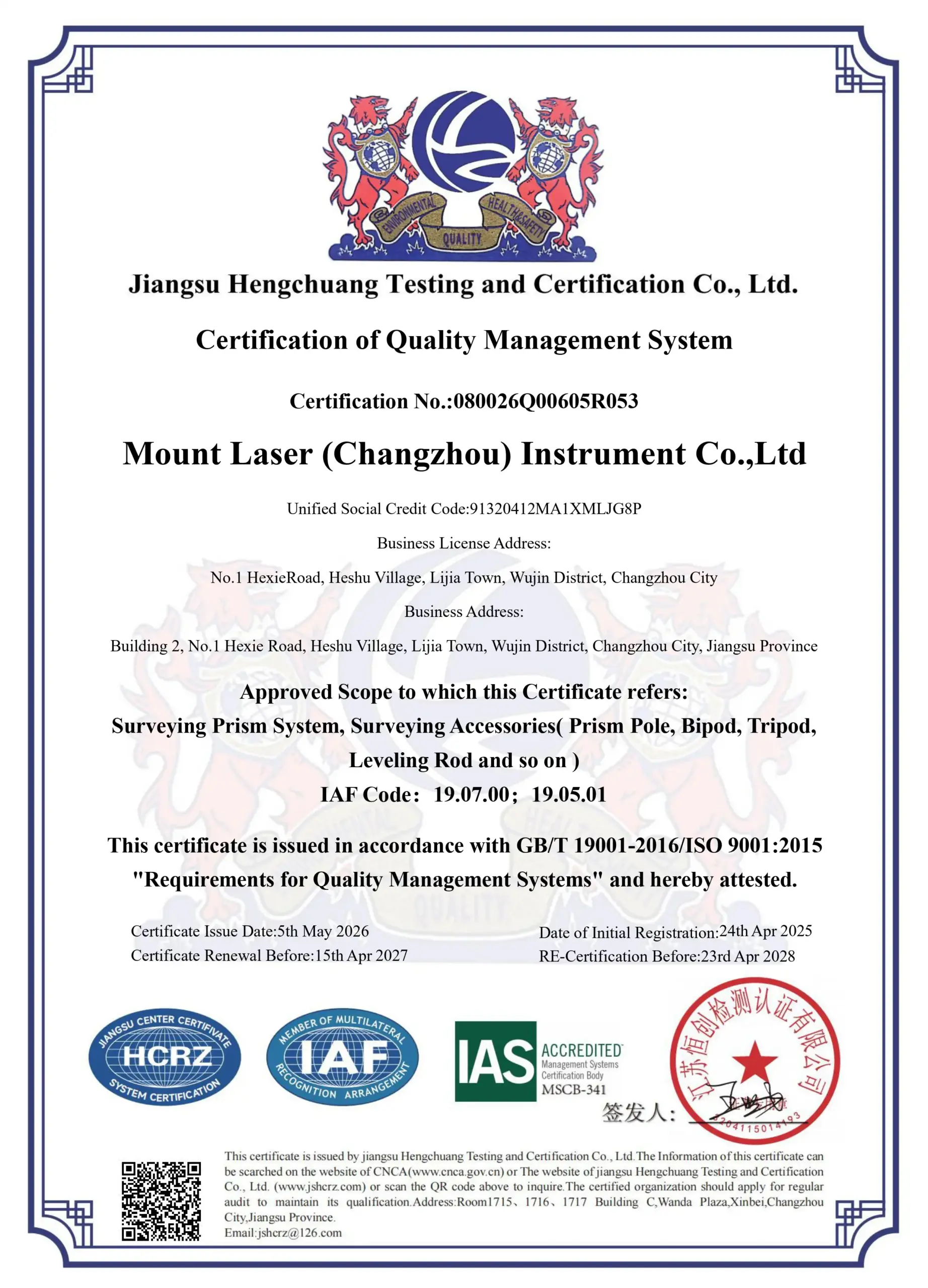
Our manufacturing capabilities can be tailored to meet specific customer requirements, including customized specifications, dimensions, materials, finishes, and functional configurations. Our quality management system is certified to ISO 9001:2025, and applicable products and processes conform to the requirements within the scope of our certification.
ISO 9001 Certification
CNC Workshop
Injection Molding Workshop
Assembly Workshop
Assemblaggio del prisma
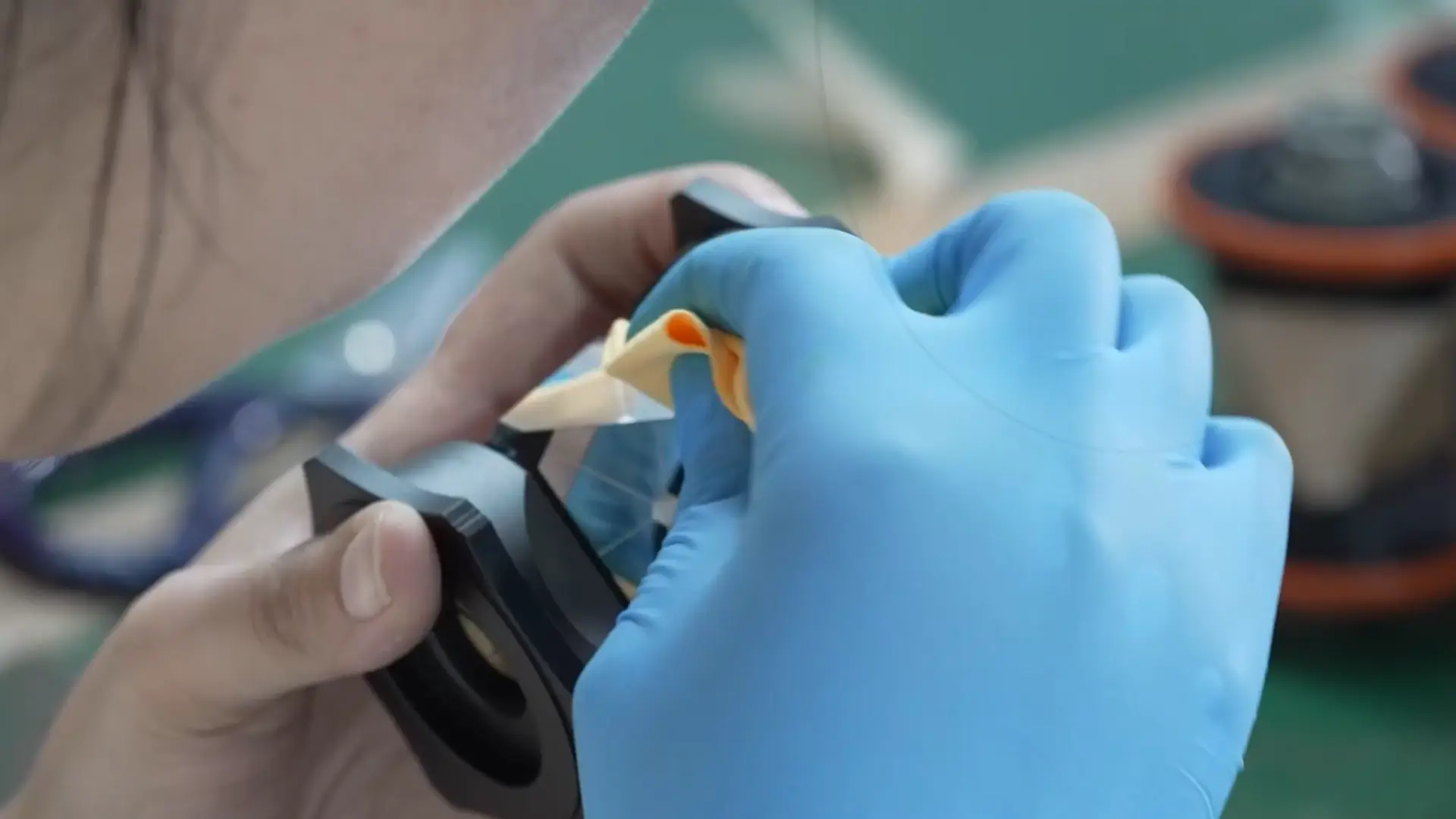
Prism Accuracy
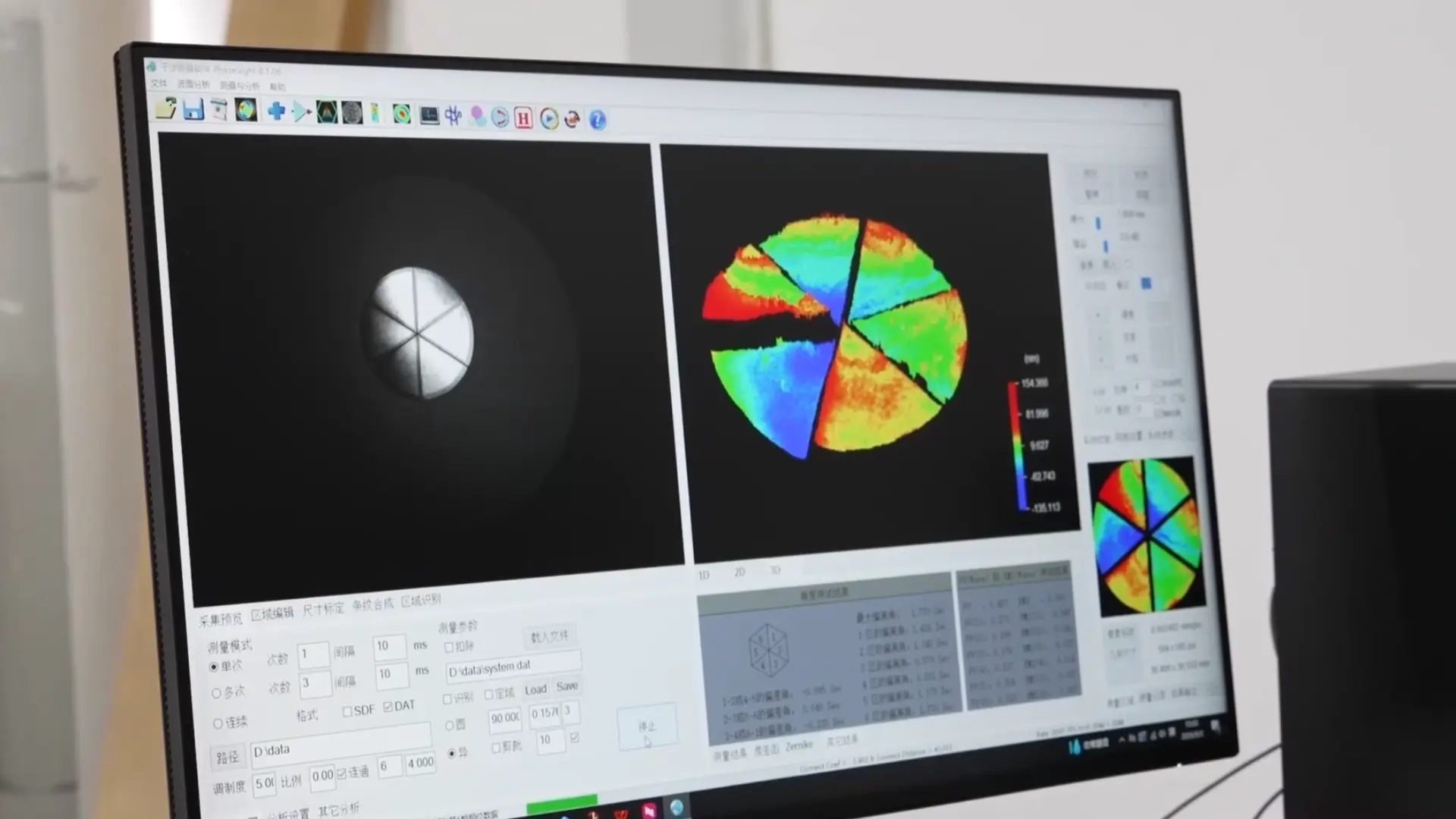
Laser Scale Marking
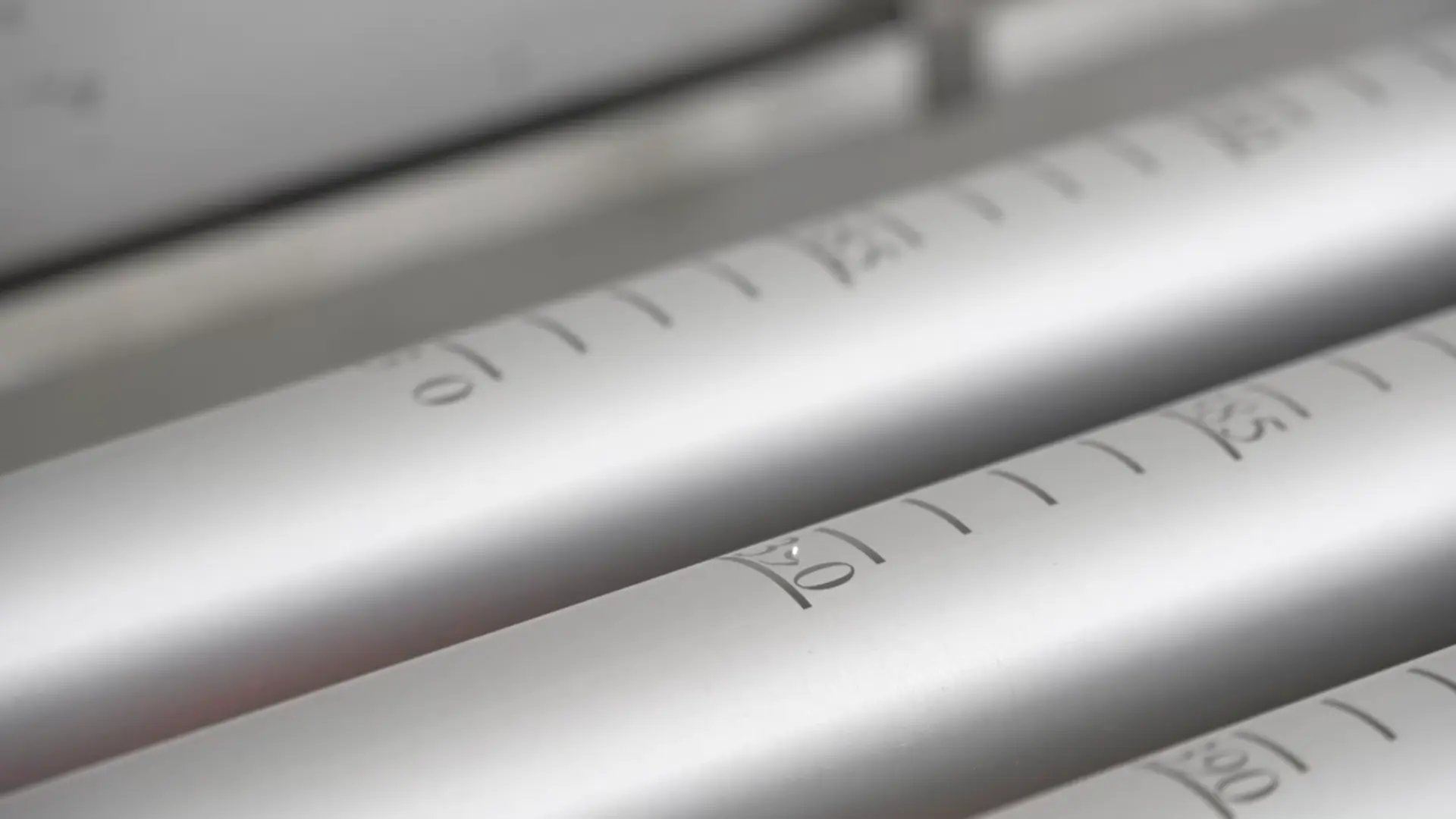
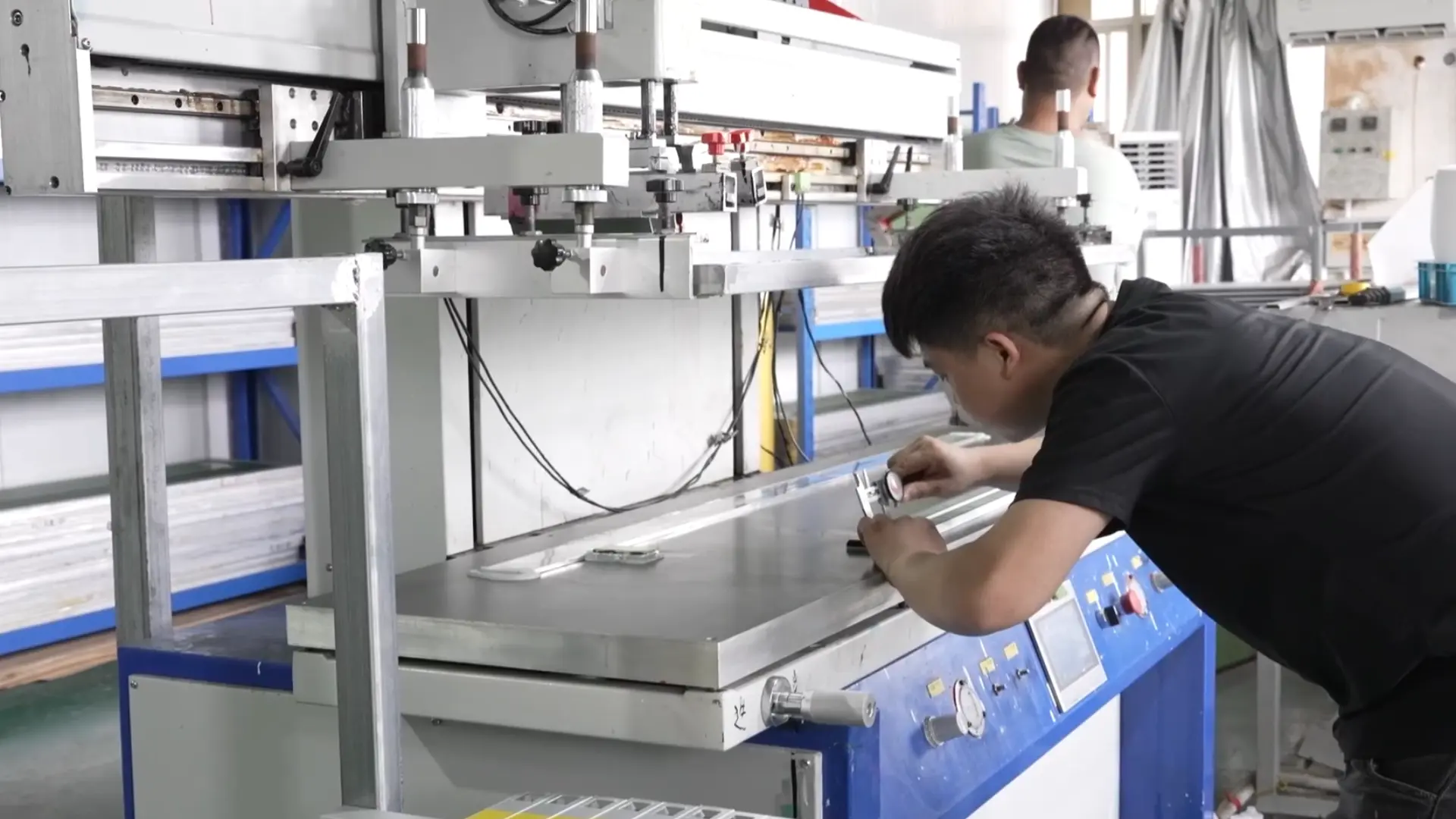
Rod Scale Printing
Mountlaser combines factory-direct manufacturing, product development, quality control, and responsive B2B cooperation to support distributors, surveying equipment companies, and professional users in global markets.