













Recently, we conducted a side-by-side comparison between conventional optical leveling tools and modern Self-Leveling Rotary Laser technology. The results were staggering: on a standard commercial foundation project, teams using the rotary laser system saved an average of 87 man-hours per project.
The Setup: Traditional Dumpy Level vs. Modern Rotary Laser
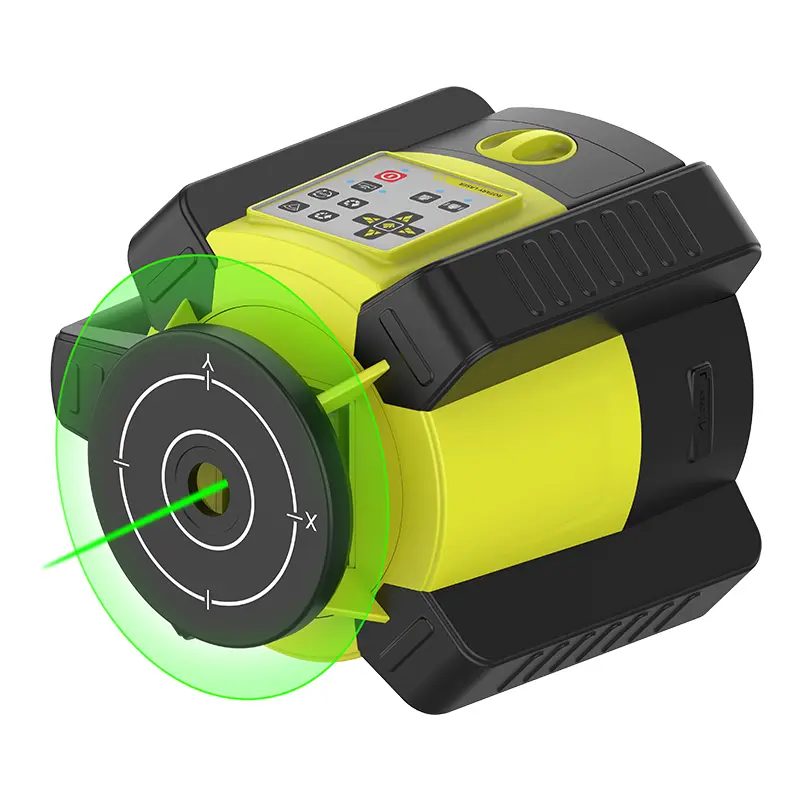
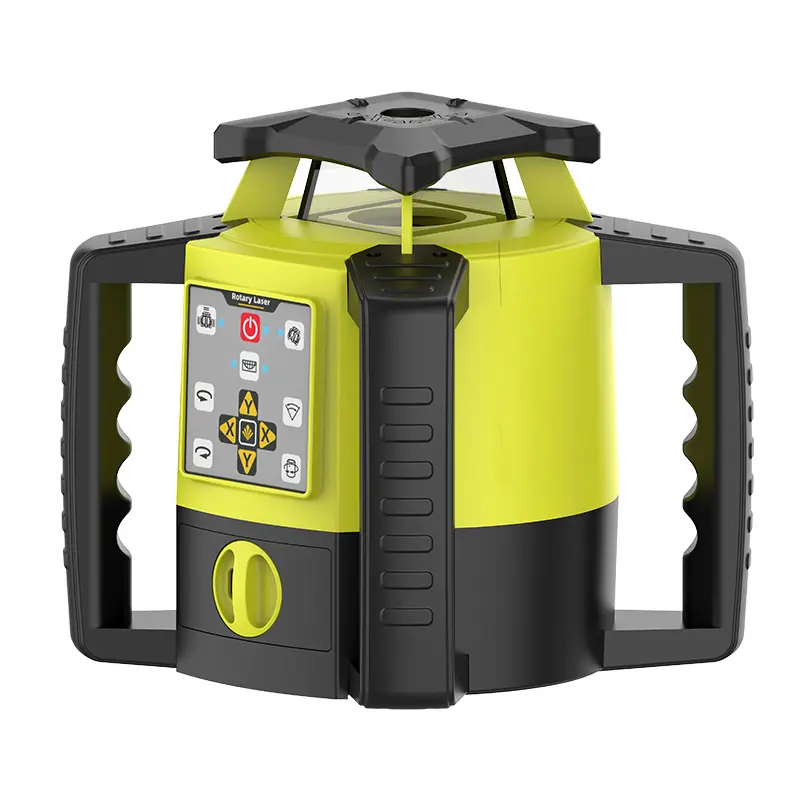
To ensure a fair test, we divided a large site preparation task into two teams. One team utilized the traditional “dumpy” level (an optical instrument requiring manual calibration), while the other deployed a Self-Leveling Rotary Laser Kit equipped with a laser detector.
The project scope involved setting elevation benchmarks for a 5,000-square-meter foundation, establishing finish floor elevations, and aligning underground utilities.
The Performance Gap
The traditional level team faced immediate challenges. Every setup required a two-person operation: one to look through the scope and one to hold the grade rod. Each time the instrument was moved, it required tedious recalibration of the bubble vial. This manual leveling process is not only time-consuming but also prone to “rod reading” errors, often requiring double-checks that eat into the workday.
Conversely, the team using the Self-Leveling Rotary Laser worked with remarkable speed. Once set on the tripod, the unit compensated for uneven ground automatically within its ±5° range. Because a rotary laser projects a 360-degree reference plane around the entire jobsite, a single operator could take the laser receiver and grade rod to any corner of the site and instantly get a reading without re-adjusting the laser.
Breaking Down the 87 Man-Hours Saved
How does a difference in tools translate to nearly 90 hours of labor saved? Our time-tracking data broke it down:
Setup and Calibration (60% faster): The automatic self-leveling feature of the Self-Leveling Rotary Laser eliminated the 15-20 minutes of fine-tuning required by traditional levels every time the instrument was relocated.
Single-Operator Efficiency: Traditional methods often require “helper” to hold the rod and another to run the instrument. With a Rotary Laser Level with Receiver, the receiver beeps and displays measurements digitally, allowing one person to handle layout tasks that previously required two.
Error Reduction: There were zero instances of misread measurements with the laser team, whereas the traditional team had to re-do two sections of batter boards due to communication errors. This avoidance of rework alone accounted for a significant portion of the time savings.
Why Accuracy Demands Self-Leveling Technology?
For critical applications like concrete pouring and formwork alignment, precision isn’t optional. The optical level used in our test had a respectable accuracy, but it relied entirely on the operator’s skill to read the crosshairs correctly.
The Self-Leveling Rotary Laser we tested provided an accuracy of ±3mm/30m, which is comparable to high-end standards in the industry. Because the laser is compensated by a internal pendulum or electronic sensors, the plane remains true even if the tripod is slightly bumped—a common occurrence on busy sites. Some advanced models even feature shock warnings to alert the user if the level has been disturbed.
This makes the Self-Leveling Rotary Laser the superior choice for establishing consistent heights for decking, screeding concrete, and checking floor flatness.
Beyond the Test: Versatility on Site
One of the standout observations from the test was the versatility of the rotary laser. When the concrete crew was ready to pour, the Self-Leveling Rotary Laser was switched to manual slope mode to check the drainage grades on a parking area. The traditional level, by contrast, was limited to horizontal checking only.
Furthermore, the green beam rotary laser used in our test maintained excellent visibility even against the bright mid-day sun, working seamlessly with the durable laser detector to extend the working range up to 300 meters or more.
Where to Find High-Quality Self-Leveling Rotary Lasers?
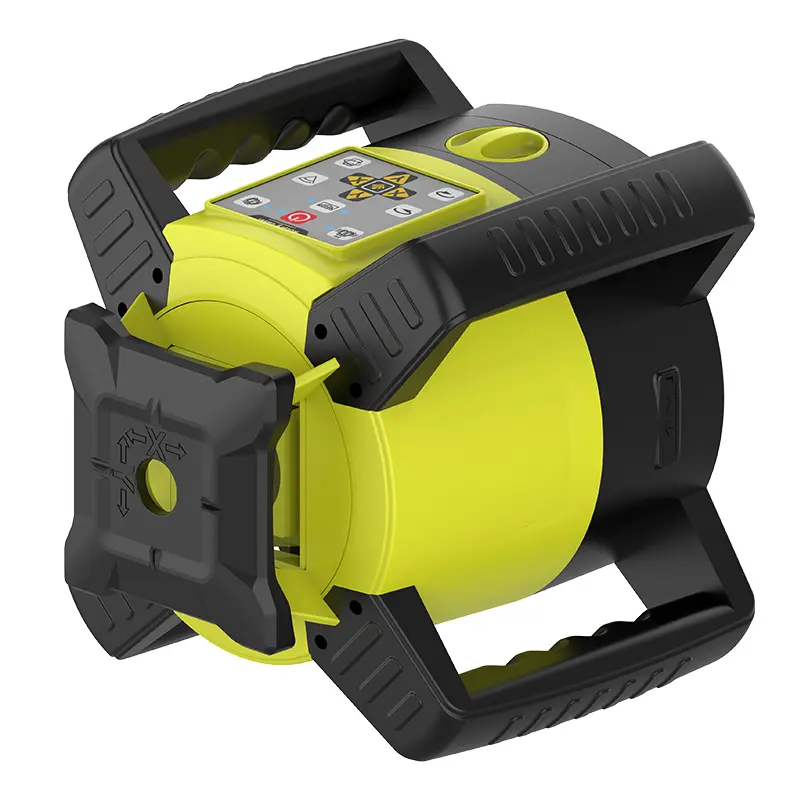
If the results of this comparison have convinced you to upgrade your jobsite toolkit, precision and reliability should be your only considerations. For contractors looking to invest in equipment that delivers this level of efficiency, we recommend contacting Mountlaser directly.
As a specialized manufacturer in the surveying industry, Mountlaser offers a range of durable and accurate Self-Leveling Rotary Lasers designed to withstand the rigors of heavy construction while maintaining the precision needed for finishing work. Their product line often features the sought-after green beam technology for superior visibility and robust build quality suitable for international project sites. For bulk orders, OEM requirements, or to inquire about their latest rotary laser level kits, reaching out to the Mountlaser factory ensures you get professional-grade equipment straight from the source.
Buyer Guide: Key Considerations When Purchasing Self-Leveling Rotary Lasers
Accuracy and Working Range
Look at the specifications carefully. For general construction, an accuracy of around ±3mm/30m is standard. However, if you are doing machine control or high-end finishing, you might need a unit with ±1.5mm/30m or better. Also, consider the diameter range with and without a detector. If you work on large sites, you need a rotary laser level with receiver that can handle over 800 meters in diameter.
Environment: Indoor vs. Outdoor Use
For outdoor use in bright sunlight, a green beam rotary laser is vastly superior to red, as the human eye perceives green as much brighter. Additionally, check the Ingress Protection (IP) rating. An IP54 rating offers basic dust and splash resistance, but for heavy rain or dusty excavation sites, look for IP66 or IP67 to ensure longevity.
Self-Leveling Mechanism and Durability
Ensure the unit has a sturdy self-leveling mechanism (usually within a ±5° range). If the laser is knocked off level, does it have an automatic shut-off or warning feature? This prevents working from an incorrect reference point. Also, consider the build quality—rubber shock-absorbing bumpers can save your investment if it takes a fall from the tripod.
Power and Battery Life
Modern rotary lasers offer various power solutions. Some use standard D-cell batteries, while others use rechargeable Lithium-ion packs. If you are on a site without power, long battery life (80+ hours) and the ability to use universal battery platforms (like 12V-40V systems) can be a game-changer.
Compatibility and Kit Contents
Ensure the laser is compatible with standard 5/8″-11 thread tripods. If you are buying your first laser, a comprehensive rotary laser level kit that includes a grade rod, rugged carrying case, laser detector, and remote control will save you money compared to buying components separately.